Masculine Leaders in History: Men Who Built the World
Explore how masculine leaders throughout history used resilience, responsibility, and strength to build the world, from George Washington to Winston Churchill.
By Your Bro · · Guy Stuff
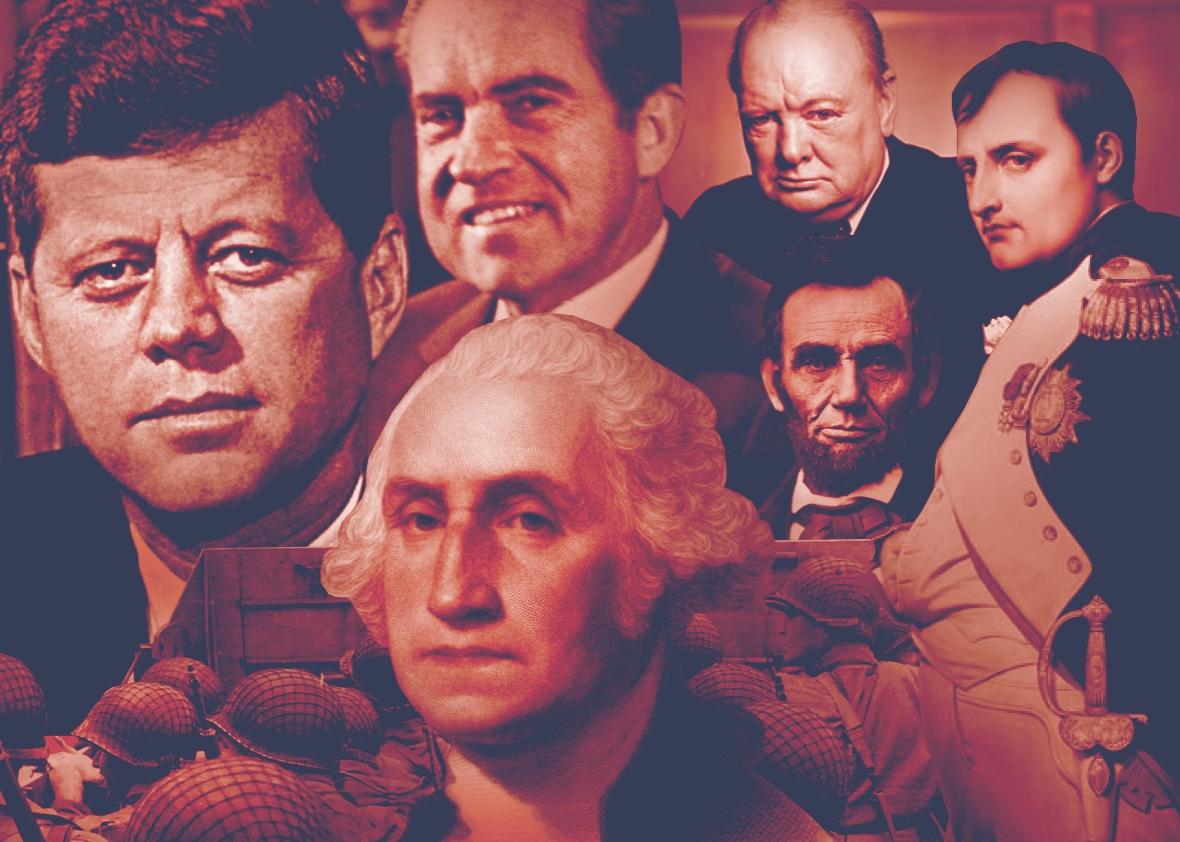
Hard times make strong men, and those same strong men eventually create good times. Sadly, good times can create weak men, who in turn will make for hard times again. Throughout history, masculine leaders generally tend to save the day.
Key Takeaways
History is a cycle of strength meeting crisis and creating stability.
Masculine leadership is defined by responsibility, not just authority.
Modern examples exist, but historical figures provide the blueprint for resilience.
True strength involves standing for a code despite the consequences.
The Architecture of Strength
Mankind has not only survived, but thrived over the last couple thousand years. Without masculine leaders, humans may have gone extinct by now. This isn't about being the loudest person in the room. It is about the men who stood in the gap when everything was falling apart. We are currently living through a period where men are weaker than ever, but the roadmap to getting back on track is written in the lives of those who came before us.
Research from the Pew Research Center has shown that the definition of what makes a man has shifted significantly over the decades, often leaving younger generations without a clear North Star. When you look at history, you don't see men who were worried about being liked. You see men who were worried about being effective. They had a mission that was bigger than their own comfort. I went deeper on this idea in the piece on how to become the leader you were created to be.
The American Founders and the Rough Rider
George Washington, the first President of the USA, is the standard for a reason. As a military leader during the Revolutionary War, Washington exemplified masculinity through his leadership and bravery. He wasn't just a face on a dollar bill. He was a man who stayed with his troops in the freezing mud of Valley Forge when he could have been sitting by a fire at home. He knew that leadership is a debt you pay to the men under you.
Then you have Theodore Roosevelt. No list is complete without the 26th President. "Teddy" was known for his rugged outdoor lifestyle and strong leadership during both his presidency and his time as a soldier in the Spanish-American War. He was a sickly kid who decided to become a force of nature through sheer will. He boxed in the White House until he went blind in one eye and then just decided to take up jujitsu instead. He lived the life most guys only watch on a screen.
Abraham Lincoln rounds out this trio. His leadership during the Civil War and his role in abolishing slavery make him a symbol of masculinity and strength. Masculinity is often associated with the physical, but Lincoln’s strength was in his mental fortitude. He carried the weight of a fracturing nation on his shoulders while dealing with deep personal loss. He didn't break. He just got grittier.
The Warriors and Strategists
Looking further back, we see the conquerors. Alexander the Great conquered much of the known world and spread Greek culture, earning him a place among history's most masculine men. He didn't lead from the back of the line; he was often the first one over the wall. Genghis Khan, the founder of the Mongol Empire, was a fierce warrior and leader known for his military prowess and ability to conquer vast territories. He turned a group of fractured tribes into the largest contiguous land empire in history.
Julius Caesar and Napoleon Bonaparte follow a similar vein. Caesar was a Roman general and statesman known for his military victories. Napoleon was a military genius who solidified his place as one of history's most masculine men through sheer strategic dominance. These men were not perfect—few historical figures are—but they possessed a level of agency that drove the world forward. They didn't wait for permission to lead. They took it.
I remember a coach I had in high school who used to talk about Caesar. He told us that Caesar’s men didn't follow him because he was a nice guy. They followed him because he walked the same miles they did and ate the same bread. He lived their reality. That is a lesson a lot of modern managers should probably learn before they send their next passive-aggressive email.
The Icons of Sport and Culture
Masculinity isn't always found on a battlefield. Sometimes it’s in a ring or on a page. Muhammad Ali was arguably the greatest boxer of all-time, but he was not only known for his physical strength and prowess. Fans got a taste of his bold personality and political activism. He stood for what he believed in and dealt with the consequences. He lost the prime years of his career because he refused to compromise his code. That is what a real man looks like when the stakes are high.
Arnold Schwarzenegger, "The Austrian Oak," dominated sports, entertainment, and then politics. Whether he was winning Mr. Olympia or starring in "Predator," he showed what happens when you combine physical discipline with an unbreakable vision. Then there is Ernest Hemingway. Known for his machismo and adventurous lifestyle, Hemingway was a symbol of masculinity through his writing and experiences as a war correspondent and big game hunter. He lived the stories he wrote. He sought out the hardest versions of life because he knew that was where the truth lived.
The Modern Stand: Winston Churchill
During the darkest days of the 20th century, Winston Churchill stood as the Prime Minister of the United Kingdom. His leadership and speeches during World War II exemplify masculinity through strength and determination. His speech "we shall never surrender" to the House of Commons on June 4, 1940, remains one of the most famous historical moments ever recorded. When the rest of Europe was falling, he refused to blink. He understood that sometimes, being a man just means being the one who refuses to quit when everyone else thinks it’s over.
Gallup polls from that era showed a massive surge in public trust when Churchill took the reins. People don't follow titles; they follow conviction. This is a common theme in the Manhood Manifesto—true authority is earned through the fire, not given by an HR department.
The Leaders of Tomorrow
This list is a representation of historical figures that have been recognized for their strength, leadership, and courage. But the cycle continues. Today, a new set of masculine leaders have emerged who will also leave their mark. They are the guys starting companies, raising sons with backbones, and refusing to buy into a culture that tells them their nature is a problem. The future isn't written by the people who complain on the internet. It is written by the men who do the work.
What To Do This Week
Read a biography of one man on this list. Start with Roosevelt or Churchill.
Identify one area where you have been avoiding responsibility and take it.
Set a physical goal that requires more than just showing up. Earn your sweat.
Audit your circle. Surrounding yourself with weak men will eventually make you one.
—Your Bro