Making a Living Before the Internet Eased the Burden
A look at the grit required for 70s and 80s kids to earn a buck and why modern convenience is making men softer and less capable of handling a real day of work
By Your Bro · · Self Improvement
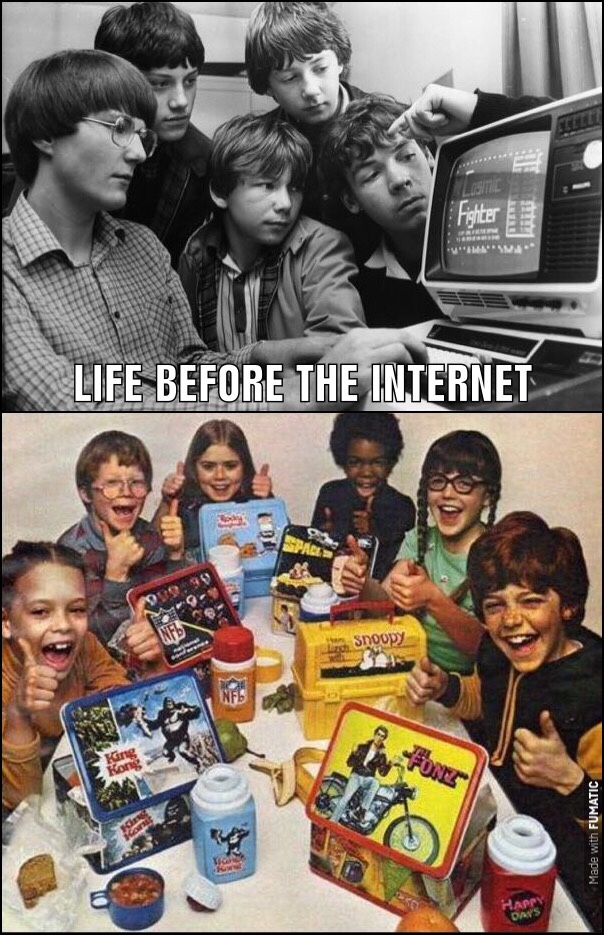
You used to have to step outside and bleed a little bit if you wanted to have twenty dollars in your pocket by Saturday night.
Key Takeaways
- Physical friction built a grit that digital income lacks.
- Labor was a social contract with your neighbors, not a transaction with an app.
- The death of the neighborhood hustle has impacted how men view problem-solving.
- Developing real-world skills remains the best hedge against a shifting economy.
The Hustle of the Hot Pavement
This is how 70's and 80's kids earned a buck. Before everyone had a supercomputer in their pocket to trade crypto or deliver cheeseburgers for a tech giant, work was local, physical, and often quite dirty. You didn't scroll for opportunities. You walked until you saw a lawn that looked like a jungle and you knocked on the door. There was no rating system other than the quality of the stripes you left in the grass and whether or not you trimmed around the tulips.
It taught you something that a screen never will: the direct correlation between sweat and survival. If you didn't move, you didn't eat. Research from the Bureau of Labor Statistics has shown a steady decline in youth labor force participation over the last few decades, shifting from nearly 70 percent in the late 1970s to much lower levels today. We are trading the sun for the glow of a monitor, and we are losing our calluses in the process.
The Paper Route was a Masterclass
If you wanted the big money, you got a paper route. That meant waking up at 4:30 AM regardless of whether it was snowing or ninety degrees. You learned to fold, bag, and throw with precision. If you missed the porch and hit the bushes, you heard about it. If you were late, the old man on the corner was waiting for you in his bathrobe with a watch and a grievance.
It was your first introduction to customer service and logistics. You had to manage a ledger, collect cash door-to-door, and track who owed what. I remember a friend who lost his entire week's profit because he dropped his collection envelope in a storm drain. He didn't get a bailout. He didn't get a GoFundMe. He just had to work the next week for free to cover the debt. That is called a lesson. I wrote about why your time is bigger than money, and nothing proves that faster than spending four hours in the rain for a handful of quarters.
The Neighborhood Utility Man
We used to be a nation of amateur mechanics and landscapers. If a neighbor’s fence broke, you helped fix it. If their car needed a wash, you grabbed the hose. You weren't just a kid; you were a junior member of the local economy. This created a sense of ownership over your surroundings. Today, we call a professional for things our grandfathers handled with a roll of duct tape and a heavy sigh.
According to data from Pew Research Center, younger generations are less likely to engage in DIY home repairs or basic car maintenance than those who grew up in the pre-digital era. We have outsourced our competence to apps. When you can't fix a sink, you aren't just out fifty bucks for a plumber; you are losing a piece of your autonomy. I have noticed that men are weaker than ever because we have removed the friction from our daily lives. Friction is what creates heat, and heat is what shapes metal.
The Social Risk of the Cold Call
Every time you knocked on a door to ask if they needed their driveway shoveled, you were practicing the art of the deal. You were looking another man in the eye and asking for a chance to prove your worth. You dealt with rejection. You dealt with the guy who tried to lowball your price. You learned to negotiate when you were shivering in three inches of slush.
Modern communication has largely removed the "cold call" from a young man's life. We hide behind DMs and emails. We avoid the discomfort of a face-to-face no. But that discomfort is where a man is built. It’s like the lessons learned in the arena; as I mentioned when discussing what sports can teach your kids, the score doesn't care about your feelings. Neither does a driveway that needs clearing. It is either done or it isn't.
Labor Day and the Honest Dollar
Happy Labor Day. Enjoy the day off. You’ve earned it, assuming you actually did something this year that required a shower afterward. There is a specific kind of quiet satisfaction that comes from physical exhaustion. It’s a different flavor of tired than the mental fog you get from staring at a spreadsheet for eight hours. It’s the kind of tired that makes a cheap burger taste like a steak and a firm mattress feel like a cloud.
We shouldn't despise the dirt. The kids in the 70s and 80s weren't oppressed because they had to mow lawns; they were being mentored by reality. They were learning that the world has resources, but it doesn't just hand them over because you showed up and acted nice. You have to go get them.
What To Do This Week
- Fix one thing in your house yourself instead of calling a pro or asking a landlord.
- Do one hour of manual labor that isn't the gym—mow the lawn, wash the car by hand, or clear out the garage.
- Pay a neighborhood kid to do a job, then actually inspect the work and give him honest feedback.
- Find a way to earn a dollar this week that doesn't involve a screen or a keyboard.
Work hard. Don't complain. Keep your boots clean but your hands dirty.
—Your Bro