A Look Back at the Most Ridiculous Shaving Ad Ever Made
Gillette tried to tell men how to behave and it backfired. We examine the viral parody and why corporate moralizing usually misses the mark
By Your Bro · · Self Improvement
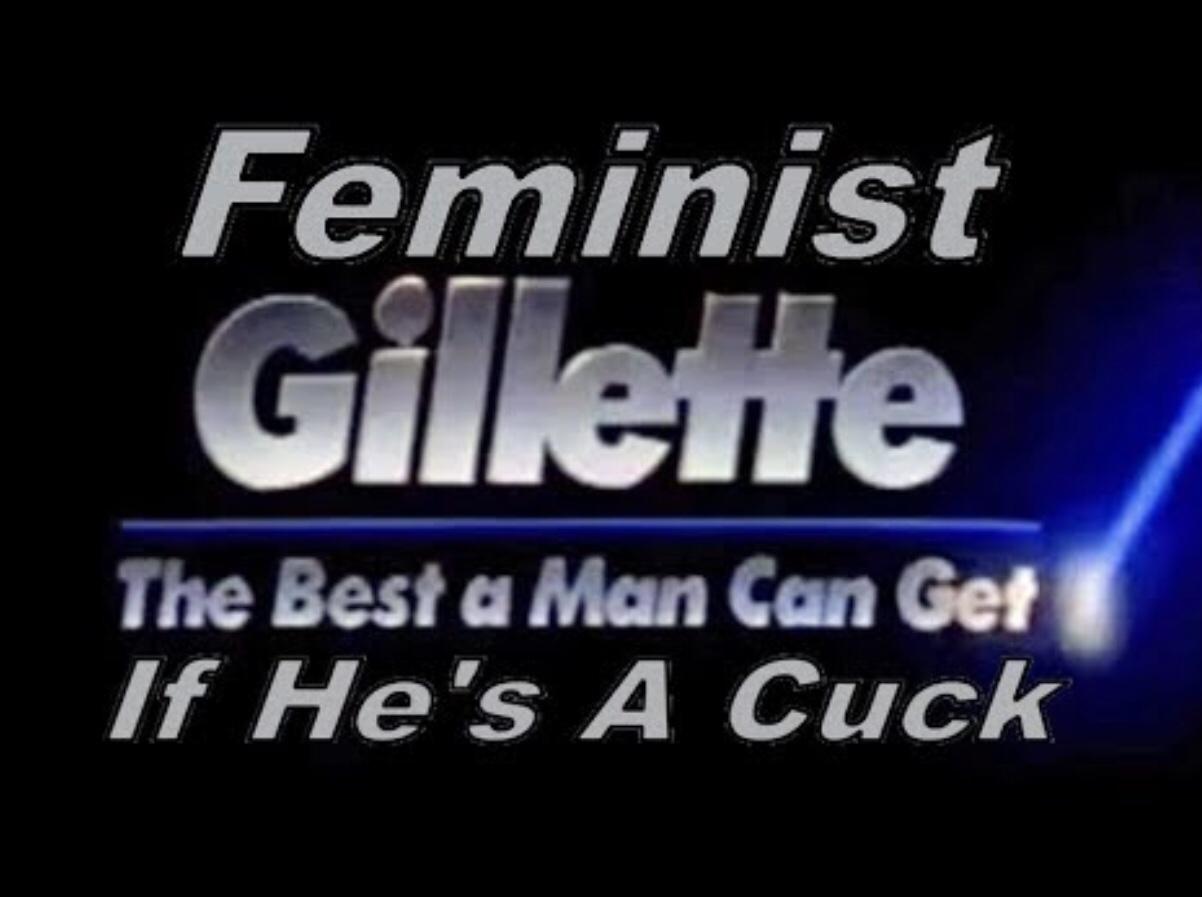
A razor company once decided the best way to sell more blades was to tell its entire customer base that they were inherently broken and needed to be fixed.
Key Takeaways
- Corporate virtue signaling often ignores the reality of positive masculine traits like protection and discipline.
- Humor is the most effective tool for pointing out the absurdity of being lectured by a multi-billion dollar brand.
- Real improvement comes from high standards and mentorship, not from marketing scripts.
- The data shows that alienating your core demographic is rarely a winning business strategy.
The Ad That Shook the Internet
[video src="https://auhdcvryjhwchiinwflg.supabase.co/storage/v1/object/public/article-images/2019/01/img_4459.mp4" ]Let's examine how ridiculous the Gillette ad is.
It has been a few years since Gillette released "The Best Men Can Be," and it remains a masterclass in how to misunderstand your audience. The ad took every negative stereotype about men—bullying, harassment, toxic behavior—and painted it as the default setting for the male gender. It suggested that unless a corporate entity stepped in to provide a moral compass, we were all just one bad day away from becoming a caricature in a HR training video.
Naturally, the internet did what it does best. It took the most dramatic, self-serious moments of the campaign and turned them into comedy. Parody is often the only honest response to a lecture you didn't ask for. When a company that makes plastic handles and steel strips tries to play the role of a high priest, they deserve the ridicule they get.
The Cost of Getting It Wrong
This wasn't just a social media skirmish. There were real numbers involved. Following the campaign, Reuters reported that Procter & Gamble took an $8 billion non-cash write-down on its Gillette business. While they cited currency fluctuations and new competitors like Harry's and Dollar Shave Club, you don't have to be a math genius to see the correlation. You don't grow a brand by telling the people who use it that they are the problem with the world.
According to a study by Ipsos, the ad was deeply polarizing, creating a massive gap between those who saw it as "progressive" and the men who felt targeted by the tone. It’s hard to sell a man a clean shave when you’re busy slapping him in the face.
Masking Strength as a Malady
The core issue with the original ad was its refusal to acknowledge the good that comes from traditional masculine traits. Strength, aggression, and competitiveness are not bugs in our software. They are features. When aimed correctly, they are what build cities, protect families, and win wars. I’ve written before about how strength without a mission turns inward and rots. We don't need fewer strong men. We need more men who know how to use their strength for something other than themselves.
I remember being back in high school, sitting in the locker room after a loss. Nobody was talking about "toxic" traits. My coach didn't give us a speech about our feelings. He told us we were lazy and that we hadn't respected the work required to win. He challenged us to be better, harder, and more disciplined. That wasn't an attack. It was an invitation to grow. The Gillette ad missed that nuance. It felt like it was written by people who have only ever seen masculinity through a window, and they were terrified of what they saw.
The Role of Real Mentorship
The ad featured a line of fathers standing over grills while their sons fought, repeating "boys will be boys" like a mindless mantra. It was a lazy trope. In reality, most men are the first ones to step in when a kid is being a prick. We have a shared responsibility to police our own. This is what I call the debt of mentorship. You don't learn how to treat people from a 60-second commercial. You learn it from an older man who checks your ego when you're out of line and shows you how to handle yourself with dignity.
If you want to reduce bullying, you don't do it with a hashtag. You do it by raising boys who are strong enough to defend the weak and disciplined enough to control their own hands. The irony of the ad is that it tried to promote a "softer" man while the world actually needs men who are tougher in all the right ways.
Why Humor Is the Best Weapon
The parody video included here works because it highlights the absurdity of the corporate gaze. It takes the somber music and the slow-motion stares and applies them to situations that actually make sense. It reminds us that we don't need a razor company to tell us how to be decent humans.
We are living through an era where the war against masculinity is often fought in the marketing departments of Fortune 500 companies. They want the money, but they seem to despise the culture that created the wealth in the first place. Laughing at it is more than just entertainment. It’s a way of saying you aren't buying the narrative.
I once had a boss who tried to do something similar during a team-building retreat. He spent two hours talking about "synergy" and "vulnerability," while the plumbing in the office was literally leaking on the desks downstairs. We didn't need a therapy session. We needed a wrench and someone willing to get their hands dirty. Corporations love addressing the "moral failings" of their customers because it's cheaper than making a product that doesn't break after three uses.
What To Do This Week
- Stop taking advice from brands that don't know your name or your life.
- Identify one younger man in your circle who could use some actual guidance, not a lecture.
- Watch the parody video and remember that it's okay to laugh at things that take themselves too seriously.
- Focus on your own discipline—the kind that shows up in the gym and at your desk, not just in your social media feed.
The ad is a relic now, a reminder of a strange time when companies thought they were our parents. Let it be a lesson. Keep your blades sharp, your mind sharper, and your sense of humor intact. You're doing fine without the lecture.
—Your Bro