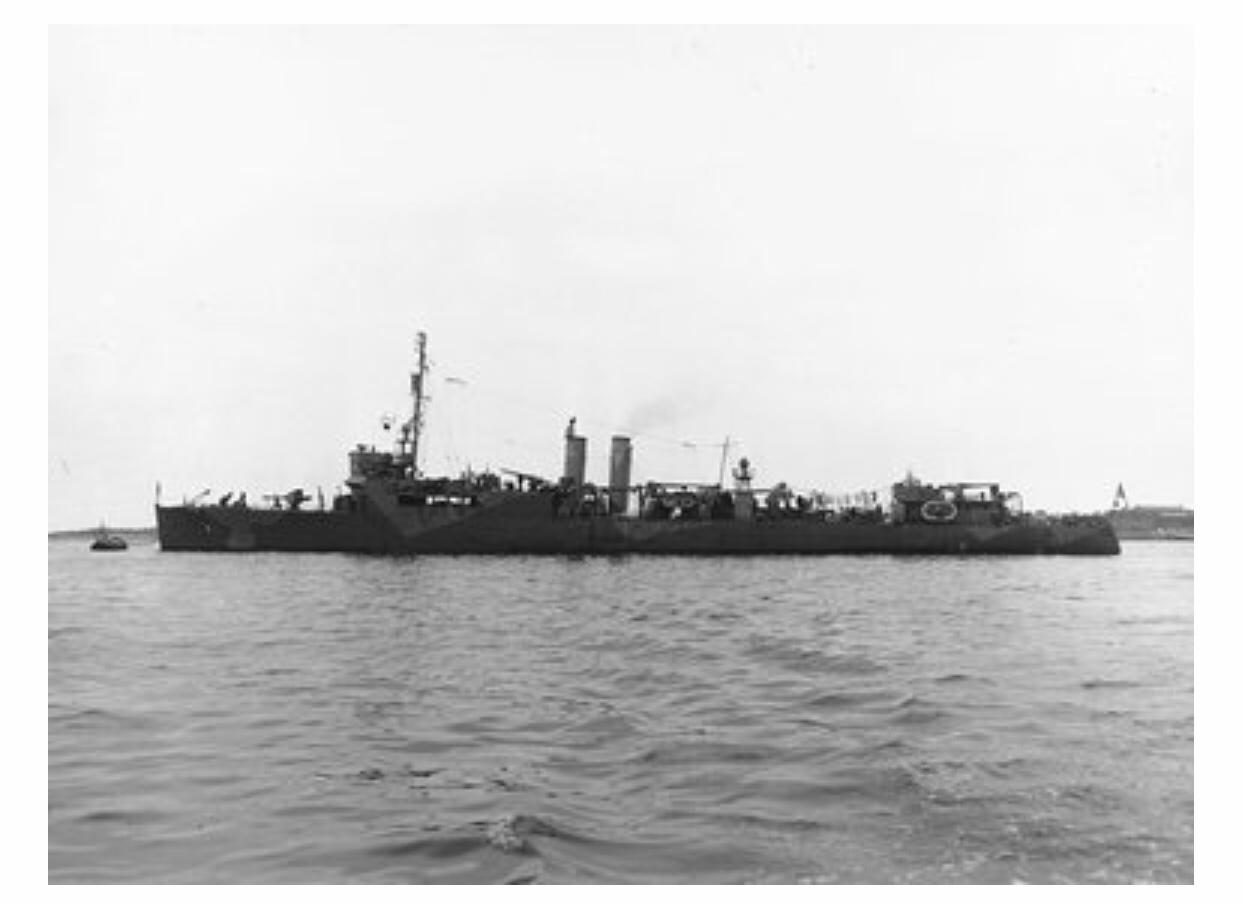
Ultimate Alphas: Charles French
Charles French swam eight hours in shark infested waters to save fifteen U.S sailors in WWII! Petty Officer First Class French was born September 25, 1919 in Foreman, Arkansas. He was an American war hero who enlisted in the United States Navy in 1937. Charles Jackson French’s na
By Your Bro · · Guy Stuff
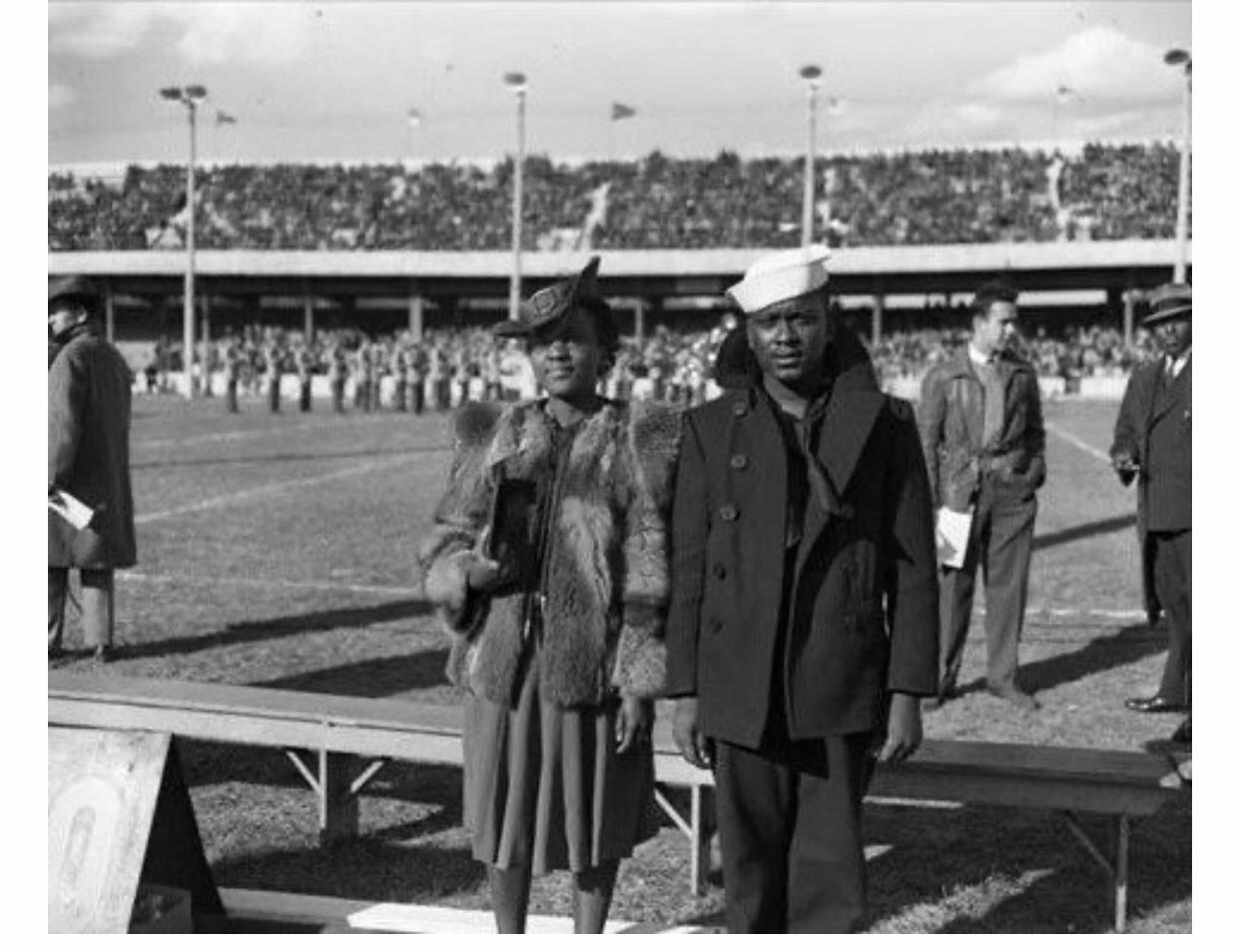
Charles Jackson French swam eight hours in shark-infested waters, in the dark, to save fifteen U.S. sailors during World War II. He was 22 years old, Black, and technically not allowed to fight. He did it anyway. This is the story every American man should know.
Key Takeaways
- Charles Jackson French, a U.S. Navy Messman, saved 15 sailors during WWII by towing their life raft with a rope around his waist through shark-infested waters for eight hours.
- The rescue occurred on the night of September 5, 1942, after the USS Gregory was sunk by Japanese naval fire near the Solomon Islands.
- French was the first Black swimmer nominated for a top-tier medal for this feat, but received only a letter of commendation because of the racial policies of the time.
- Posthumous honors include being named 'Hero of the Year' by the Chicago Defender and having a training pool at Naval Station San Diego named after him.
Petty Officer First Class Charles Jackson French was born September 25, 1919, in Foreman, Arkansas. He enlisted in the United States Navy in 1937 at seventeen — a Black man from the Jim Crow South, walking into a segregated military that would not let him carry a rifle, and asking to serve anyway.
Because of Navy policy at the time, French was restricted to the role of Messman — cooks, stewards, and servers. He was not a "combat sailor" on paper. He was on paper a servant. On September 5, 1942, he became one of the greatest combat sailors in American history without ever firing a shot.
What happened to the USS Gregory during the Battle of Guadalcanal?
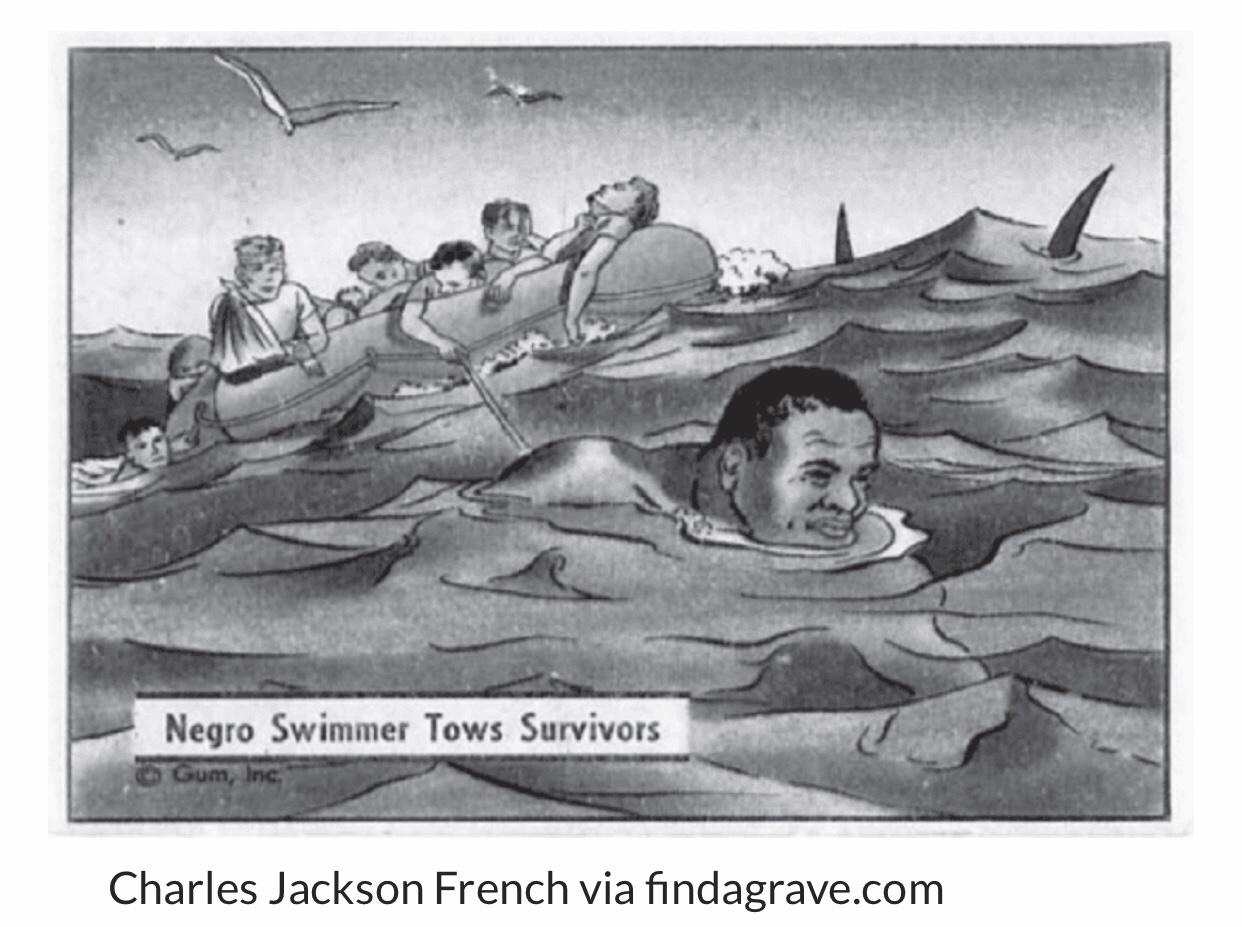
The USS Gregory, a destroyer transport, was hit by Japanese naval fire in the South Pacific during a night engagement near the Solomon Islands, killing and wounding most of the crew and setting the ship on fire. Survivors abandoned ship into a small life raft in dark, open water. And then the Japanese ships began deliberately shelling the raft.
Fifteen wounded American sailors were huddled together on a raft, drifting, with enemy guns still landing rounds in the water around them and — because this is the Pacific in 1942 — a known and heavy population of sharks below. Charles French, uninjured, tied a length of rope around his own waist, tied the other end to the raft, slipped into the black water, and started swimming.
He swam for eight hours. In the dark. Under fire. Through sharks. Towing fifteen wounded men.
By morning, he had pulled the raft close enough to a friendly shore that the survivors were rescued. Every man on the raft lived. French, when finally hauled out of the water, was asked how he did it. He said he was afraid the sharks would get them if he stopped, so he didn't stop.
The Medal He Should Have Had
By any standard of naval heroism, French should have received the Navy Cross, the Silver Star, or the Medal of Honor. What he got was a letter of commendation from Admiral William F. Halsey Jr., commander of the Southern Pacific Fleet. The letter reads:
"For meritorious conduct in action while serving on board of a destroyer transport which was badly damaged during the engagement with Japanese forces in the British Solomon Islands on September 5, 1942. After the engagement, a group of about fifteen men were adrift on a raft, which was being deliberately shelled by Japanese naval forces. French tied a line to himself and swam for more than two hours without rest, thus attempting to tow the raft. His conduct was in keeping with the highest traditions of the Naval Service."
Two hours. The commendation understated it by six.
Contemporary accounts explain the snub: the ship's commanding officer, Lt. Cdr. H. F. Bauer, was given a posthumous Silver Star for a separate act of heroism. By the Navy's internal politics, awarding a subordinate — especially a Black Messman — a higher decoration than his white officer would have been unprecedented. So they buried the recommendation. French's heroics might have been lost to history entirely had it not been for Ensign Robert N. Adrian, who told the story to a wire reporter and later narrated it on national radio.
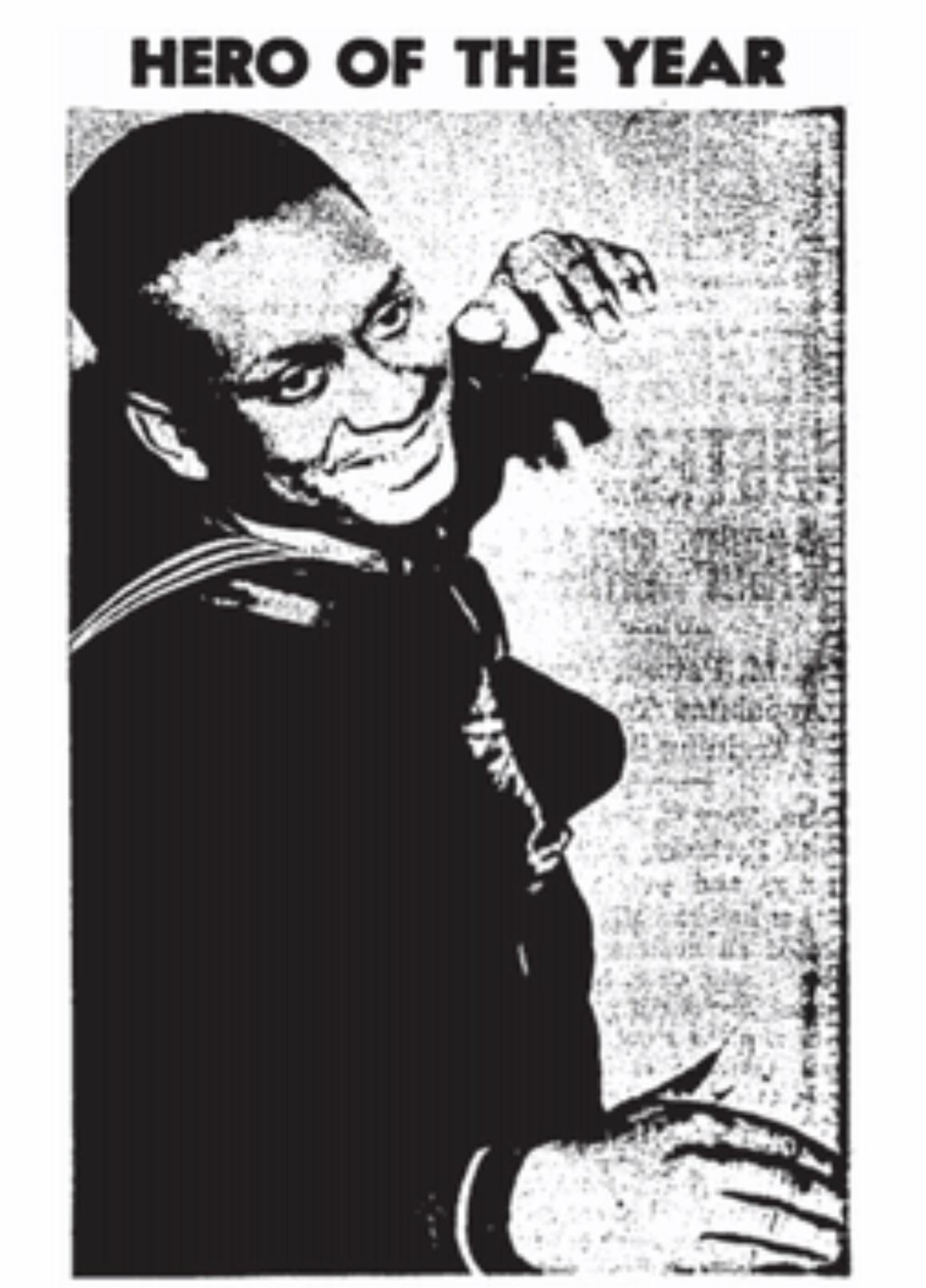
French was named "Hero of the Year" by the Chicago Defender. He was celebrated in the Black press. He was largely ignored by the white press. He returned home, served out his enlistment, and lived a quiet life. He died in 1956. He is buried at Fort Rosecrans National Cemetery in San Diego.
Why This Story Matters Today
He served a country that would not fully serve him. That is a form of moral courage that dwarfs the physical courage of the swim. Most men fold under a fraction of that injustice. French didn't fold. He got in the water.
He didn't ask for permission to be great. The Navy told him what his role was. Reality gave him a chance to be more than that role. He took the chance without pausing to check whether it was allowed.
He never made it about himself. There is no record of French complaining about the medal he didn't get. He talked about the men he saved. That's the difference between a hero and a spokesperson.
FAQ
Was Charles French ever properly recognized? Slowly, yes. In 2022 the Navy officially renamed the training pool at Naval Base San Diego the "Charles Jackson French Pool." A statue and further recognition efforts continue. Better late than never — but it should have been in 1942.
How did he swim for eight hours in the open ocean? Adrenaline, absolute focus, and a rope tying him to fifteen men who would die if he quit. Ask any endurance athlete what they'd do with those stakes.
Where can I learn more? The book "Charles Jackson French: The Hero Swimmer of World War II" and multiple Navy historical archives now cover the story in full. It deserves a wider audience.
— Your Bro