Ultimate Alphas: Dave Portnoy
Unless you've been living under a rock, there's a good chance you've probably heard of Barstool Sports Founder Dave Portnoy. From his hilarious daily pizza reviews to frequent appearances on Tucker Carlson Tonight, Davey "Pageviews" knows how to get attention. He even managed to
By Your Bro · · Guy Stuff
Say what you want about Dave Portnoy — and about 500,000 people a day do — but the man has done something almost nobody in modern media has managed: he built a brand from a folded newspaper handed out in Boston subway stations into a hundreds-of-millions-of-dollars empire, and he did it without ever apologizing, softening, or being "on-message." Whether you love him or hate him, that's a masculine business story worth studying.
Key Takeaways
- Dave Portnoy founded Barstool Sports in 2003 as an unapologetically un-corporate, un-woke alternative to mainstream sports media.
- Penn National Gaming's 2020 acquisition of a 36% stake valued Barstool at a reported $450 million, and Penn later bought and then sold the remainder in one of the more talked-about media deals of the decade.
- Portnoy has kept the brand relevant through relentless output, public feuds, and a willingness to look ridiculous — a trait most CEOs would kill to have and never will.
- The Barstool ethos: by the common man, for the common man. That's the whole strategy.
Unless you've been living under a rock, you've probably heard of Barstool Sports founder Dave Portnoy. From his hilarious daily One Bite pizza reviews to appearances on Tucker Carlson to becoming a household name in the retail investing world, Davey Pageviews knows how to get attention. He famously got himself thrown out of Super Bowl 54 for his trolling of NFL Commissioner Roger Goodell. He may look like a clown at times. He is not. Dave Portnoy is a total alpha — in the operational, business, and cultural sense of the word.
How did Dave Portnoy build Barstool Sports?
Dave Portnoy built Barstool Sports by relentlessly making content for a specific man who no other media company was speaking to — the working-class, sports-loving, un-serious guy in the suburbs who wanted a laugh, a take, and a place that didn't lecture him. Portnoy scaled that from a Boston-only gambling newspaper he founded in 2003 into a digital media empire valued at hundreds of millions of dollars. The method was simple: produce more, apologize less, feud publicly, and never let the marketing department get in the way of the joke.
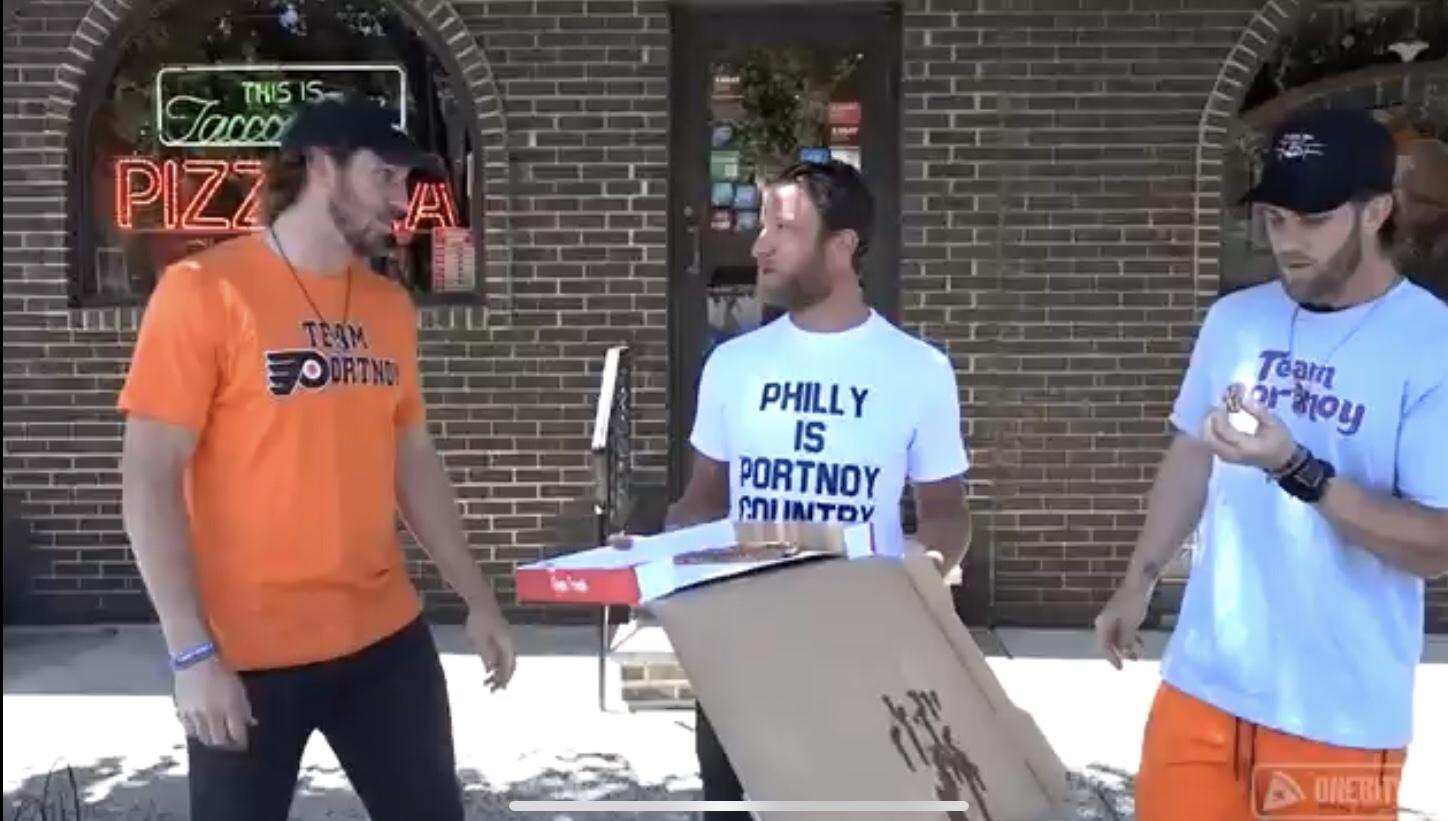
The Anti-ESPN Bet
Barstool's original wedge was simple: ESPN and every other legacy sports outlet had drifted into corporate-safe, lecture-heavy programming. Portnoy did the opposite. Barstool blogs called things what they were. If a player played like a bum, they said he played like a bum. If a rival team's fans were insufferable, they said so. If someone got caught doing something stupid, they laughed at it out loud. That voice — "by the common man, for the common man" — filled a massive hole in the market.
Portnoy also understood something ESPN never wanted to: the audience for sports content is not primarily interested in sports. It's primarily interested in belonging to a tribe. Barstool built the tribe first and the sports coverage second. That's why it worked.
The Feuds Are the Feature
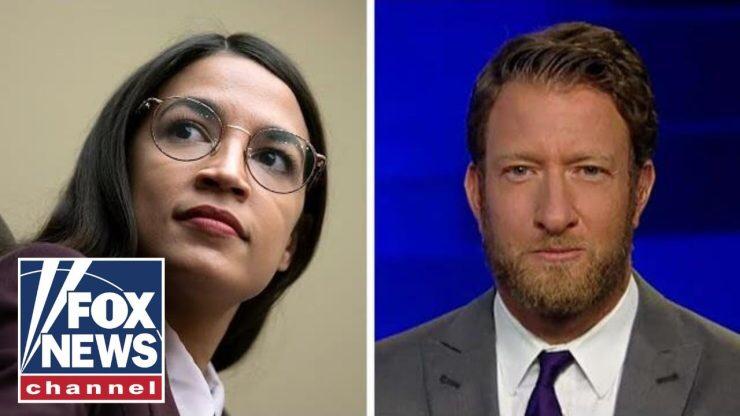
Portnoy has publicly tangled with everyone from LeBron James to Alexandria Ocasio-Cortez to Roger Goodell to major newspapers, and every one of those fights has grown the brand. Even with a female CEO in Erika Nardini, Barstool has been attacked by outlets like the New York Times for "traditional masculinity" and by USA Today for "misogyny". None of it has slowed him down. It never does, because he does not run on the currency his critics are trying to spend.
After Barstool sponsored a "towel" during a Boston Bruins playoff game, Portnoy caught another sexism accusation. His response is one of the most quoted things he's ever said:
"These are people who are just mad at life. People who don't like life, they don't like to laugh. They don't like fun. They don't like men. They don't like America. Those people, they hated this. They pulled their hair out. They are serial protesters, serial fun killers, and they don't even know what they're mad about. They literally wake up. It's like what can we get mad about today?"
The Money
In early 2020, Penn National Gaming acquired a 36% stake in Barstool for roughly $163 million in cash and convertible preferred stock — a transaction that valued the company at a reported $450 million. Penn later bought the rest of Barstool and, in a plot twist worthy of Portnoy himself, sold it back to him for one dollar in 2023 so he could take the brand back independent. Whatever you think of the arc, the man exited a multi-hundred-million-dollar deal with the brand he loved fully in his own hands. That's the entrepreneurial equivalent of walking off with the trophy and the girl.
Davey Day Trader and the Retail Revolution
During the 2020 pandemic shutdown, with no live sports to bet on, Portnoy pivoted overnight into stock trading — live-streaming himself day-trading, coining catchphrases like "stocks only go up" and pulling millions of new small investors into the market. Wall Street veterans mocked it. Wall Street veterans also missed the point. Portnoy demystified investing for a generation of guys who had been intimidated out of it. Whether that was net-good is a separate debate. That it moved markets is not.
What Men Should Actually Learn From Him
1. Volume beats polish. Portnoy has out-shipped every legacy competitor for two decades. Your business, your writing, your career — the best strategy in a world of over-produced content is often just to make more of it.
2. A strong point of view is a moat. Neutral brands die. Portnoy's brand thrives specifically because half the country hates it. Pick a side. Serve that side well.
3. Do not apologize for a joke you meant. Retreating under mob pressure trains the mob to attack again. Portnoy has watched dozens of executives get eaten by that dynamic and refused to become one.
4. Own your platform. Getting Barstool back for $1 wasn't a sentimental move — it was a masterclass in ownership. Every man should be building something that can't be taken away from him.
FAQ
Do you have to agree with everything Portnoy says to admire the model? No. The point of studying a builder is to steal the process, not the personality.
Where do I follow him? His Instagram is the main firehose, plus the Barstool YouTube channel and his One Bite app.
What's the single Portnoy trait most men could copy tomorrow? The refusal to be shamed out of being himself. That one alone would rewire half of American professional life.
In a time when executives cave to Twitter mobs and boardrooms breed out every rough edge, Dave Portnoy stands as a case study in strength, confidence, and pure operational masculinity. Love him or hate him, we salute you, Prez.
— Your Bro