Mad Jack Churchill: The Man Who Brought a Sword to a Gunfight
Jack Churchill fought World War 2 with a longbow, a basket-hilted broadsword, and bagpipes. Discover the story of the man who refused to fight a modern war
By Your Bro · · Guy Stuff
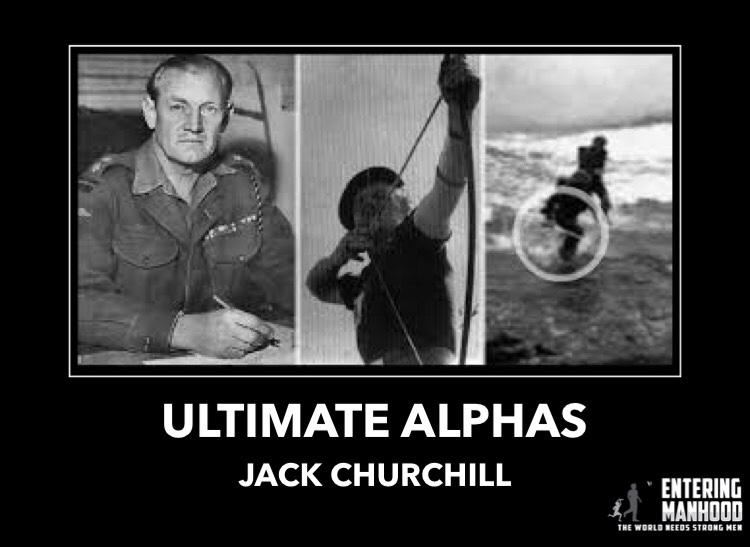
Most men spend their lives trying to avoid a fight, but Jack Churchill spent his trying to find one he could finish with a broadsword and a longbow. He is the only soldier on record to bag an enemy kill with a longbow during World War 2, a fact that proves the right man with the wrong tools is still a problem for the opposition.
Key Takeaways
- Jack Churchill proved that unconventional methods and sheer audacity can break an opponent’s morale.
- The value of a man is often measured by his commitment to his own unique code, regardless of the era.
- Aggression and presence are force multipliers that can compensate for a lack of technology.
- True legends aren't born from following the manual; they are born from writing their own.
The Man Behind the Legend
Jack Churchill was a World War 2 British commando who served with distinction in a number of theaters. His exploits earned him the Military Cross and a reputation that bordered on the mythological. He was known as ‘Mad Jack’ by his men and his fellow officers for his ferociousness in combat. While everyone else was scrambling to adapt to the era of mechanized warfare and rapid-fire ballistics, Jack was looking backward to the Highlands and the Middle Ages.
Unlike his more conventional peers, his weapons of choice were not the traditional British firearms of the period. Instead, he chose to rush into combat with a longbow, a sword, and his trusty bagpipes. He famously stated that any officer who goes into action without his sword is improperly dressed. It sounds like a line from a movie, but for Jack, it was a lifestyle. He wasn't doing it for the cameras or the historians. He was doing it because he believed in the psychological impact of a man charging at you with six feet of yew and a razor-sharp blade while playing a war tune on a leather sack of pipes.
The Archer in a Sniper's World
In May 1940, during the retreat to Dunkirk, Jack raised his bow and took down a German sergeant. It remains the only confirmed longbow kill of the war. Think about the level of confidence required to stand up in a ditch while bullets are flying and trust a piece of wood and string to get the job done. It’s the kind of grit we talk about when we look at 10 greatest historical heroes you never learned about. He wasn't just eccentric; he was effective.
Jack understood something about human nature that most tactical manuals miss. Technology changes, but fear remains the same. A bullet is anonymous. An arrow coming from the treeline is intimate and terrifying. According to research from the American Psychological Association, high-stress environments require individuals to rely on deeply ingrained behaviors and personal convictions. Jack’s conviction was that he was a warrior from another century, and he forced the rest of the world to play along.
Sicily and the Art of the Bluff
In 1943, Mad Jack and a corporal infiltrated a German-held town in Sicily, capturing 42 men and a mortar position. They did this with only his bagpipes, sword, and bow. He simply walked into the town under the cover of darkness, used the darkness to his advantage, and convinced dozens of armed soldiers that they were surrounded by a much larger, much scarier force. He led the prisoners back to the Allied lines with their own hands tied together using their own belts.
I remember a guy I played high school ball with who had a similar, albeit less lethal, energy. He wasn't the biggest kid on the field, and he certainly wasn't the fastest. But he would scream at the top of his lungs before every snap and hit people with a total disregard for his own collarbones. By the second quarter, the other team didn't want to be anywhere near him. Jack Churchill was that guy, but with a broadsword and a theater of war. Most people are inherently cautious. If you show up with zero fear and a strange weapon, most people will assume you know something they don't and surrender.
The Professionalism of Madness
Calling him "Mad" was a bit of a misnomer. He was highly disciplined. He took his pipes and his sword everywhere, including the landing craft at Salerno, where he jumped into the surf playing "Will Ye No Come Back Again?" It takes a specific type of mental fortitude to maintain a persona like that when the stakes are life and death. He was practicing a form of leadership that modern corporate offices couldn't dream of. He led from the front, literally waving a sword.
He was captured later in the war and sent to Sachsenhausen concentration camp. He did what any man with his track record would do: he crawled under a wire, escaped, and started walking toward Italy. He was eventually recaptured, but his spirit never broke. When the war ended in 1945 after the dropping of the bombs on Nagasaki and Hiroshima, he was extremely disappointed and was quoted as saying, “If it wasn’t for those damn Yanks, we could have kept the war going another 10 years.” He didn't want peace; he wanted another hill to climb and another charge to lead.
The Legacy of a Proper Warrior
Jack Churchill eventually retired from the military, but he didn't stop being interesting. He moved to Australia, became an avid surfer, and reportedly used to throw his briefcase out of the train window on the way home to his wife every day so he wouldn't have to carry it from the station. He had figured out how to live life on his own terms. In a world that constantly tries to file down your edges, Jack kept his sharp. We see a similar decline in raw grit today, as noted in the data suggesting men are weaker than ever.
The lesson here isn't that you should carry a sword to your next board meeting. It's that the tools matter less than the man wielding them. Whether you are aiming for becoming the leader you were created to be or just trying to get through a Tuesday, your presence and your refusal to fold under pressure are your greatest assets. They don't make them like they used to, but that doesn't mean you can't learn from the blueprint.
What To Do This Week
- Identify one area of your life where you are following the "standard manual" out of fear rather than efficiency.
- Develop a signature move or habit that defines your personal code, even if it seems eccentric to others.
- Practice leading from the front this week by being the first to volunteer for a task everyone else is avoiding.
- Read more about unconventional military history to understand how psychological presence wins battles.
—Your Bro